Why Students Remember History Better Through Games Than Textbooks (The Brain Science)
By Historical Conquest LLC · August 6, 2026 · Curriculum, History, Games
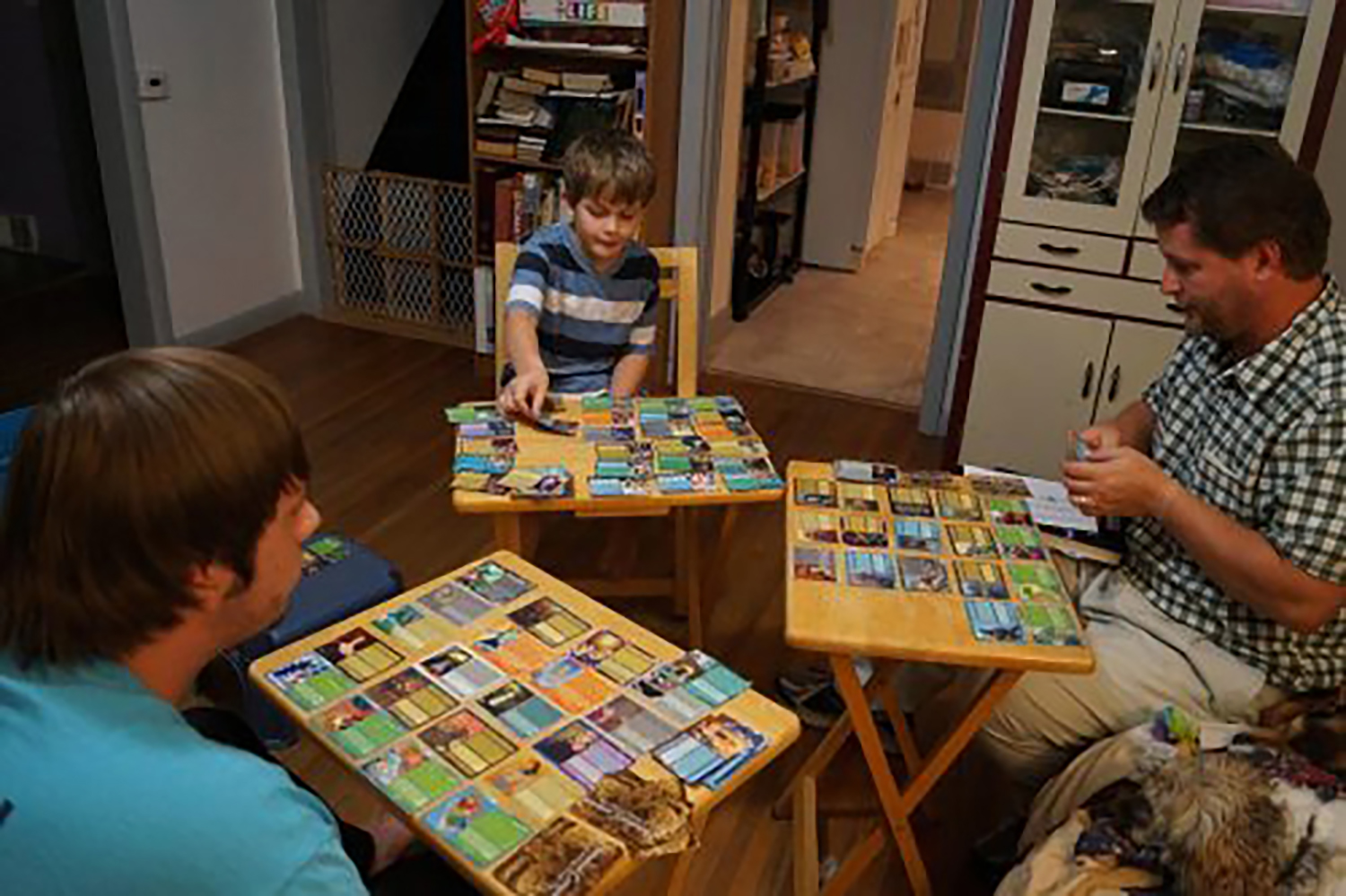

Walk into almost any classroom and ask adults what they remember from their history classes. Many will recall a few famous names like George Washington, Julius Caesar, or Abraham Lincoln, but struggle to remember much else. Yet ask those same people about a strategy game they played years ago, and they may remember detailed maps, characters, rules, and memorable victories with surprising clarity.
Why does this happen?
The answer lies in how the human brain is designed to learn. While textbooks remain an essential educational resource, they are only one part of the learning process. Educational research and cognitive science consistently show that students retain information better when they actively engage with it rather than passively receive it. Games provide opportunities for repeated decision-making, problem-solving, retrieval practice, and emotional involvement—all of which strengthen long-term memory.
When history becomes an experience instead of simply a chapter to read, students don't just learn historical facts—they begin to remember them for years.
The Brain Was Designed to Learn Through Experience
Long before schools existed, people learned by doing. Children learned to hunt by hunting. Builders learned to build by building. Farmers learned through planting, harvesting, and observing nature. Our brains developed around active participation, not passive observation.
Modern neuroscience has shown that learning becomes stronger when multiple regions of the brain are working together. During an engaging game, students are often:
- Reading information
- Making strategic decisions
- Solving problems
- Predicting outcomes
- Remembering previous events
- Talking with other players
- Experiencing excitement
- Adjusting strategies after mistakes
Each of these activities strengthens learning because the brain forms multiple connections to the same information. Instead of remembering a single fact, students remember an entire experience.
Passive Learning vs. Active Learning
One of the biggest differences between textbooks and games is the amount of mental activity required. Reading a textbook is often considered passive learning. Students receive info
rmation but may not immediately use it.
Games, on the other hand, require active learning. Students must constantly think. Should I attack now? Should I save my resources? Which historical leader gives me the greatest advantage? What happened the last time I made this decision?
Each question forces the brain to retrieve information and apply it immediately.
Psychologists call this retrieval practice, and it is one of the most effective methods for creating long-term memories. The more often students retrieve information from memory, the stronger those memories become.
The Learning Pyramid
One popular educational model often discussed by teachers is the Learning Pyramid. Although the exact percentages commonly associated with it are not well supported by scientific evidence, the model illustrates an important principle that is strongly supported by research: active forms of learning generally lead to better understanding and retention than passive ones.
The pyramid places activities such as reading and listening toward the passive end of learning. Higher levels include:
- Discussion
- Practice by doing
- Teaching others
- Applying knowledge
Modern educational research, including studies on active learning and retrieval practice, supports the overall idea that students remember more when they actively use information rather than simply receive it.
Games naturally include many of these active elements.
· Players discuss strategies.
· They practice repeatedly.
· They explain rules to friends.
· They teach younger siblings.
· They apply knowledge every turn.
Instead of simply reading history, they participate in it.
Emotion Makes Memories Stronger
Think back to one of your happiest childhood memories. You probably remember where you were. Who was there. How you felt. Perhaps even what the weather was like.
Emotion strengthens memory. When students laugh, compete, celebrate victories, or overcome difficult challenges, the brain releases chemicals associated with attention and memory formation. These experiences become easier to recall later.
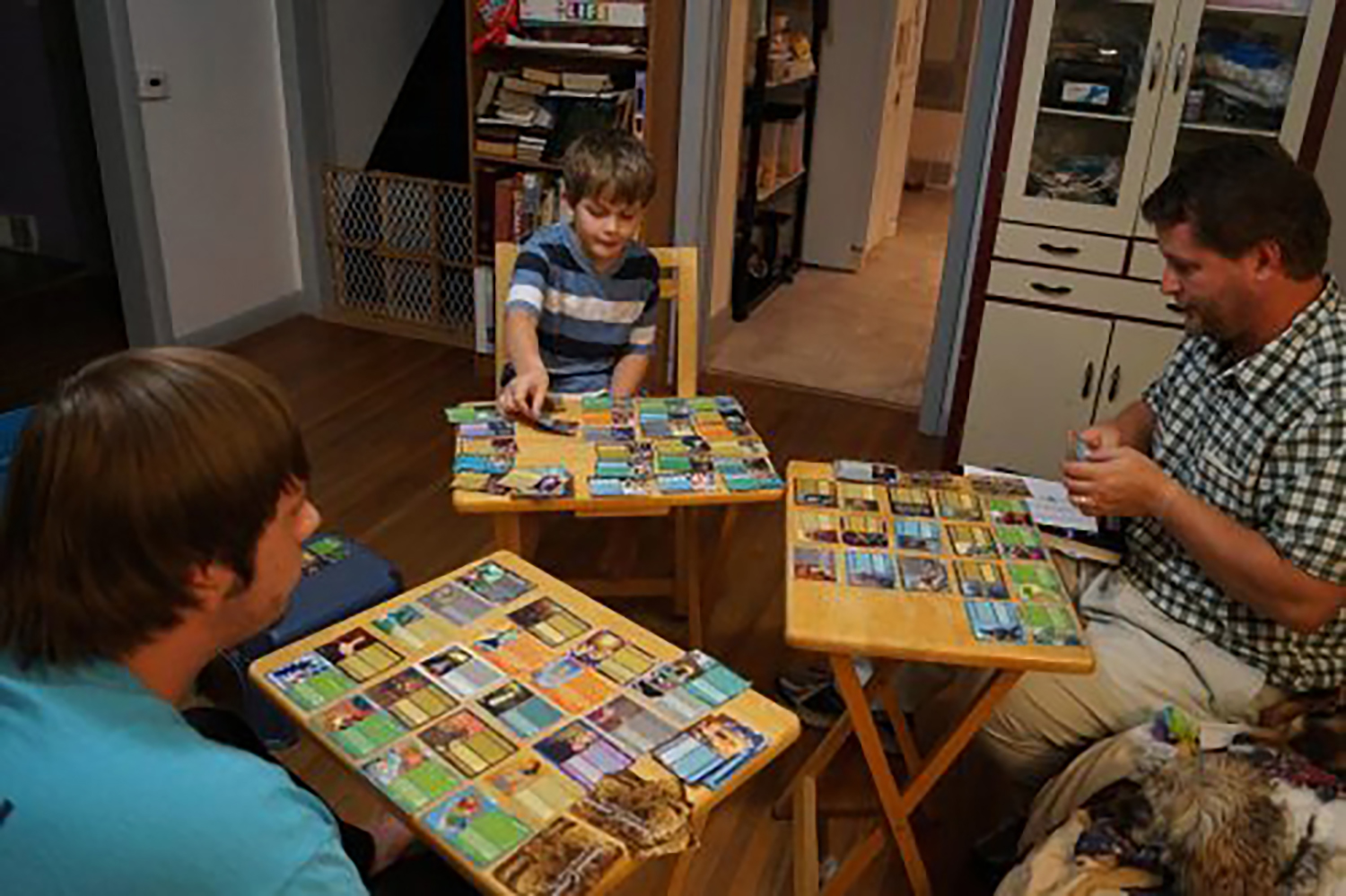
A worksheet rarely creates excitement. A close game played with family often does. That emotional engagement helps explain why students frequently remember lessons connected to enjoyable experiences long after they have forgotten individual textbook chapters.
Games Encourage Repetition Without Feeling Like Work
One of the secrets to long-term memory is repetition. Unfortunately, repetition through worksheets often becomes boring.
Games solve this problem. Children willingly play favorite games over and over again. Every game provides another opportunity to reinforce the same information.
Instead of completing twenty multiplication problems because they have to, students may encounter those same concepts dozens of times because they want to continue playing. The repetition happens naturally.
History Becomes Personal
Textbooks often describe history from a distance. Games place students inside it. Instead of simply reading about an empire expanding, students make strategic decisions similar to those leaders. Instead of memorizing where battles occurred, they move across maps. Instead of seeing historical figures as names on a page, they become important allies, leaders, inventors, explorers, generals, or rulers with unique abilities and lasting influence.
This personal involvement creates much richer memories than reading alone.
Multiple Pathways Build Stronger Memory
Neuroscientists know that memories become stronger when they are connected through multiple pathways.
A student who only reads about Julius Caesar may remember very little. A student who:
- Reads about Julius Caesar
- Sees his illustration
- Plays him during a game
- Uses his abilities strategically
- Discusses him with friends
- Encounters him repeatedly during future games
has built several different pathways leading back to the same information.
Every additional connection makes future recall easier.
The Importance of Retrieval Practice
One of the most thoroughly studied principles in educational psychology is retrieval practice. Instead of rereading information repeatedly, students strengthen memory by recalling information without immediately looking at the answer.
Games naturally create retrieval opportunities.
Players constantly ask themselves:
"Who was this historical figure?"
"What special ability does this leader have?"
"Where did this civilization live?"
"What happened during this historical event?"
Each successful retrieval strengthens memory. The result is learning that lasts much longer than memorization for an upcoming test.
History Is Meant to Be Experienced
The greatest historians rarely became passionate about history because they memorized dates. They became interested because history became a story. They imagined the people. They understood the decisions. They asked why events unfolded the way they did.
Games encourage this same curiosity. Instead of simply asking students to remember facts, games invite them to ask questions and explore the relationships between historical people, places, and events. That curiosity becomes one of the strongest motivators for lifelong learning.
The Law of Witnesses and Lasting Learning
An ancient biblical principle (also found in Greek philosophy) teaches that "by the mouth of two or three witnesses every word shall be established." While this passage originally refers to confirming truth through multiple witnesses, it also offers a helpful illustration for education: students often remember information better when they encounter it through multiple, reinforcing experiences rather than only once.
Imagine a student learning about George Washington. The first "witness" may be reading about him in a history lesson. The second "witness" might be seeing his portrait and discussing his leadership in class. The third "witness" could be encountering him repeatedly while playing a strategy game, where they must remember his abilities, recognize his historical importance, and make decisions involving his character. Each encounter reinforces the others.
Rather than replacing textbooks, games have become another powerful witness that strengthens understanding and helps establish knowledge in long-term memory.
This is one of the educational philosophies behind Historical Conquest. Combining the collectible excitement of games like Pokémon with the grand strategy of the classic board game Risk, Historical Conquest invites students to learn through active participation. Players repeatedly encounter historical leaders, civilizations, inventions, and events as they build strategies and compete with friends and family. Every game becomes another opportunity to retrieve knowledge, connect ideas, and reinforce what they have already learned.
When students read about history, discuss it, and then actively experience it through gameplay, they are engaging multiple learning pathways. Those repeated "witnesses" help transform historical facts into lasting memories. Instead of simply recognizing a name on a test, students begin to understand who historical figures were, why they mattered, and how they shaped the world. That combination of active learning, repeated retrieval, and meaningful engagement is what helps history stay with students—not just until the next exam, but for a lifetime.